Mandated demand
Mandated demand for sustainable fuel is accelerating to meet government regulations and decarbonisation targets. The EU’s ReFuelEU Aviation Regulation requires a minimum 2% SAF blend from 2025, increasing to 6% by 2030 and 20% by 2035. Similar mandates apply in the UK, Japan, California, and Singapore, locking in long-term compliance from carriers operating in regulated airspace.
HVO requirements are clarified by the FuelEU Maritime regulation for vessels over 5,000 GT to cut lifecycle GHG intensity by 2% from 2025, rising to 80% by 2050. HVO is a drop-in solution for shipowners, with global uplift allowed as long as the fuel is certified under RED III or ISCC, creating demand for regional low-carbon supply chains.
Voluntary demand for sustainable fuel is also increasing, led by aviation, logistics, and consumer-facing brands. Corporations are voluntarily securing SAF and HVO via Book & Claim platforms to meet Scope 3 targets. RSB, ISCC, and airline-led initiatives support traceable credit trading, and voluntary offtake is often priced at a premium.
Scale-up
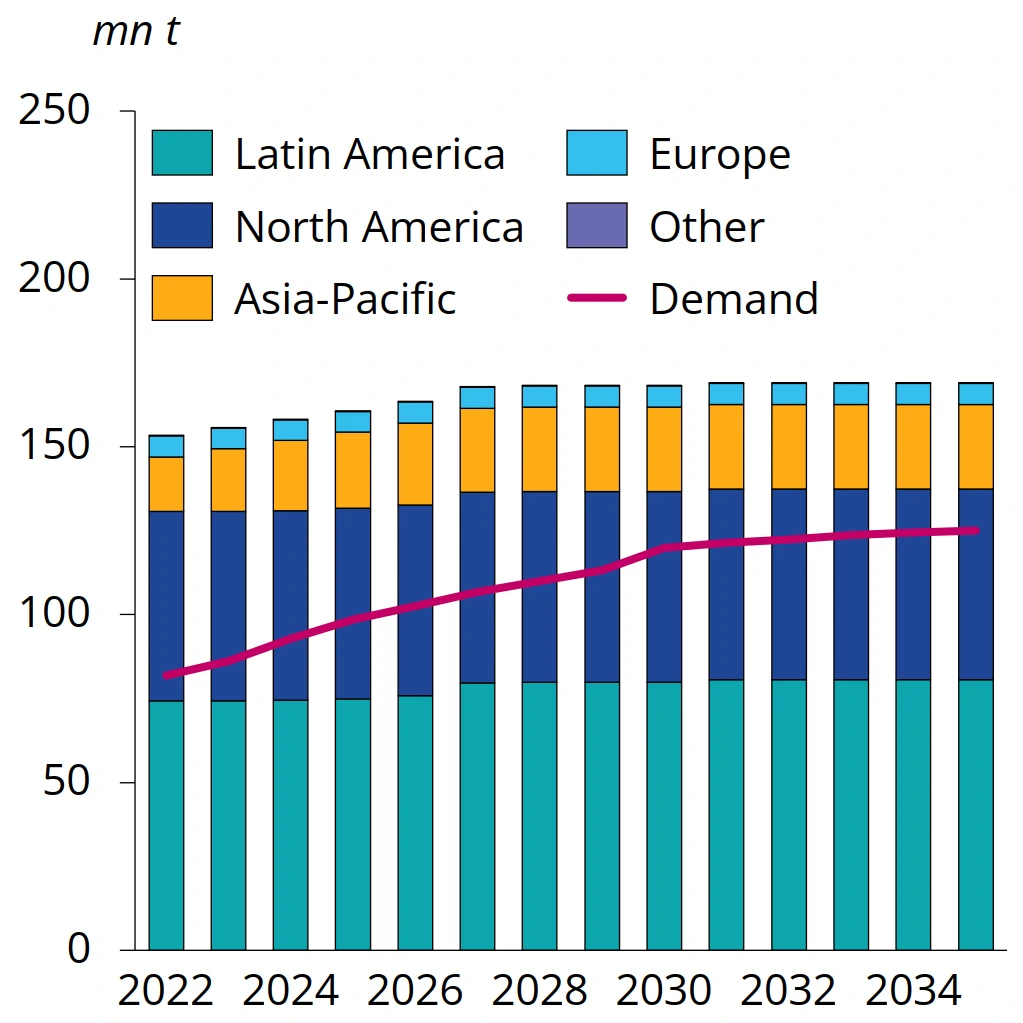
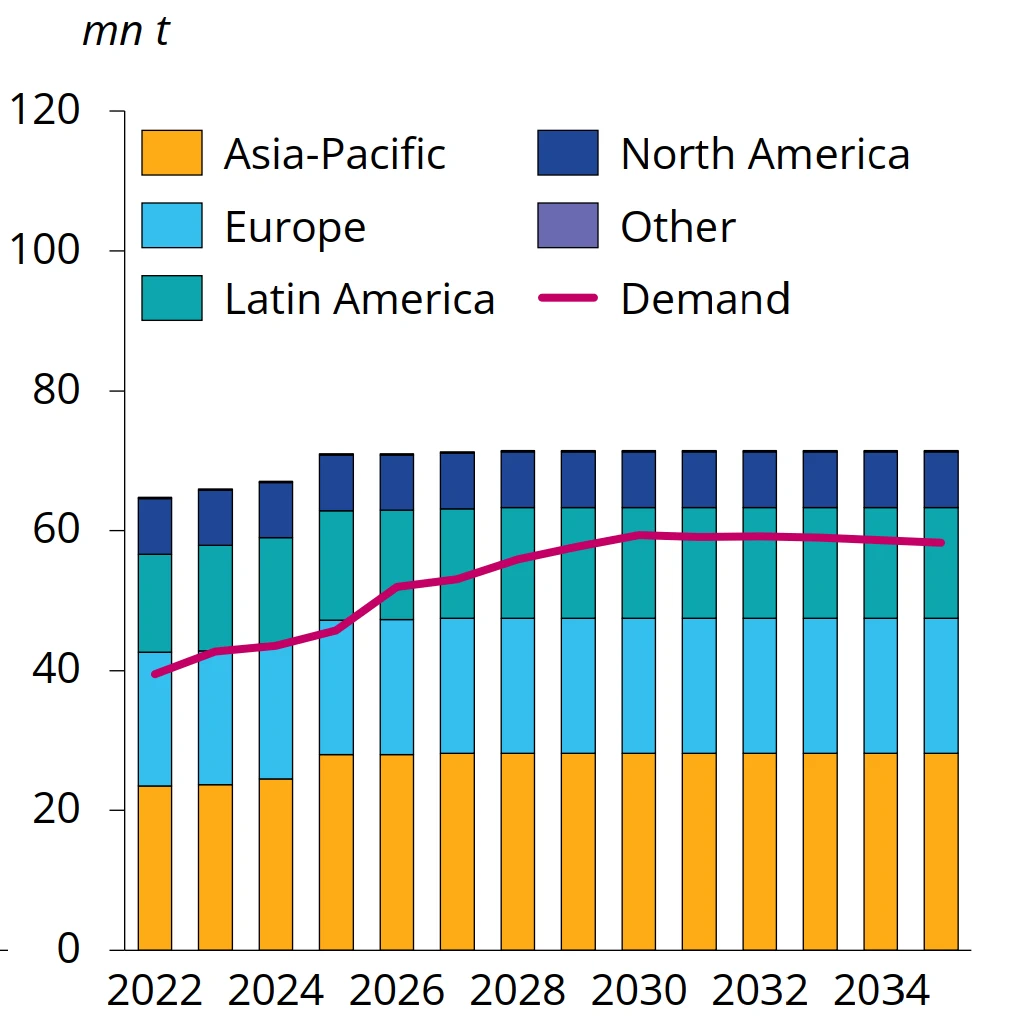
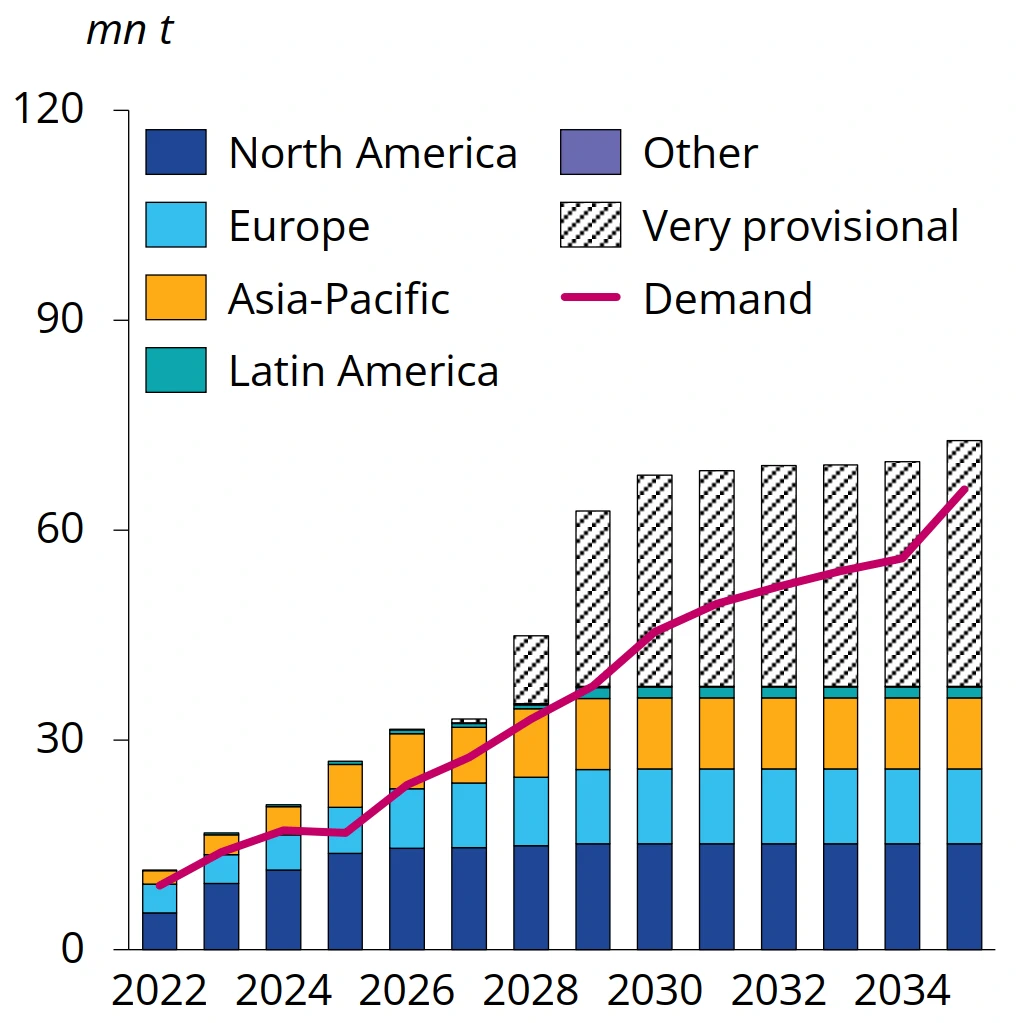
Scale-up needs to increase 12 fold to meet a demand of more than 90 Mt by 2035. Installed refining capacity for SAF and HVO stands at 28 Mt globally in 2025. Current supply covers less than one third of future need. Global markets face a shortfall equivalent to more than 60 Mt per year by 2035, requiring urgent investment across feedstock-rich regions.
-
- Global ethanol capacity
-
- Global biodiesel capacity
-
- Global RD and SAF capacity
-
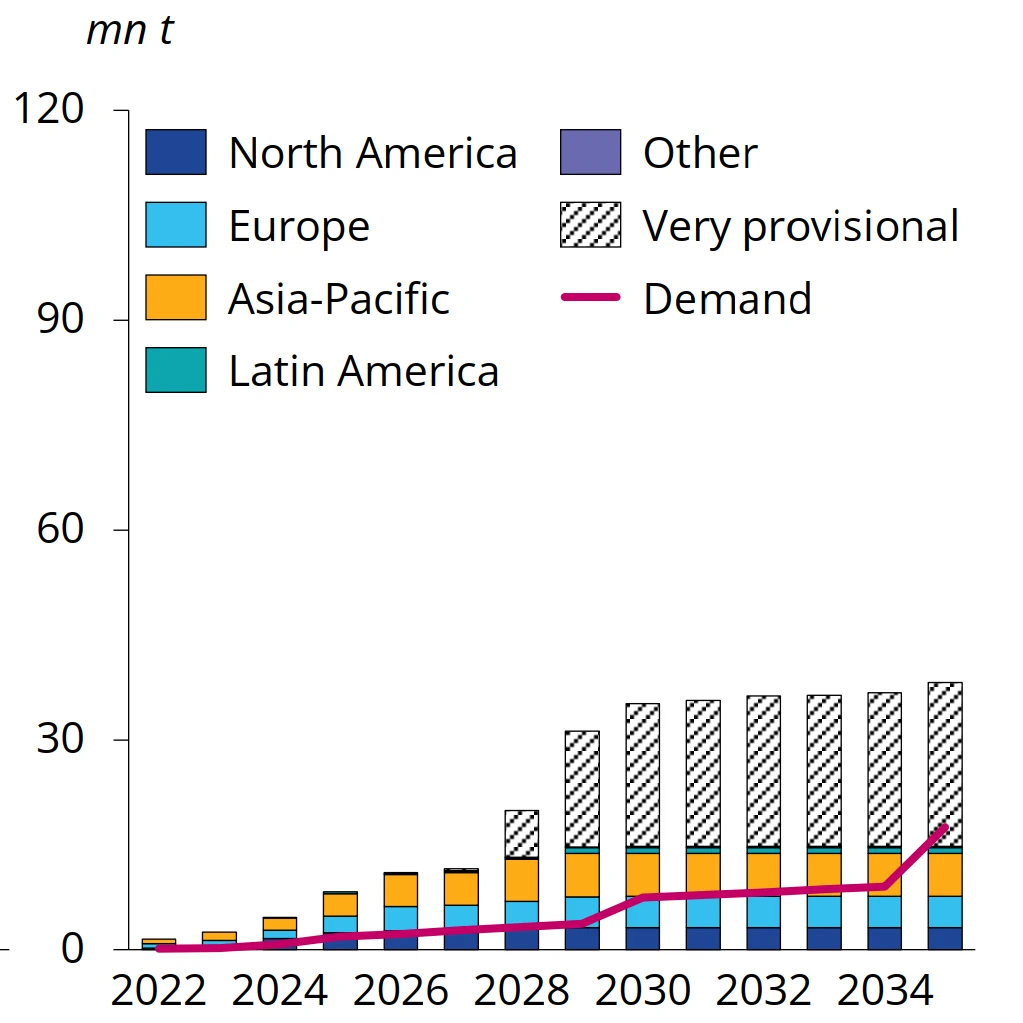
- Global SAF capacity
Source: Argus Media Group, 2026
As demand outpaces supply, scarcity drives price volatility and regional arbitrage. Spot SAF trades in Europe exceed €2,000/t, while HVO faces increasing premiums over fossil diesel. Dragonfly, as a regional producer with secured feedstock and compliance-ready supply, will benefit from enduring price arbitrage.
HEFA
HEFA (hydroprocessed esters and fatty acids) has been the most bankable and widely adopted technology pathway to create SAF and HVO since 2008: more than 80% of global SAF and HVO is currently produced via HEFA, driven by technology maturity, yield efficiency and compatibility with existing refining infrastructure.
Argus Biofuels Analytics predicts HEFA will account for 70% of SAF output by 2035 because of delays and cost barriers faced by alternative pathways. PtL (Power-to-Liquid) and ATJ (Alcohol-to-Jet) remain years from meaningful scale, whereas HEFA has a sustained 15-25% cost advantage over these routes with lower Capex, faster deployment and mature feedstock supply chains.
-
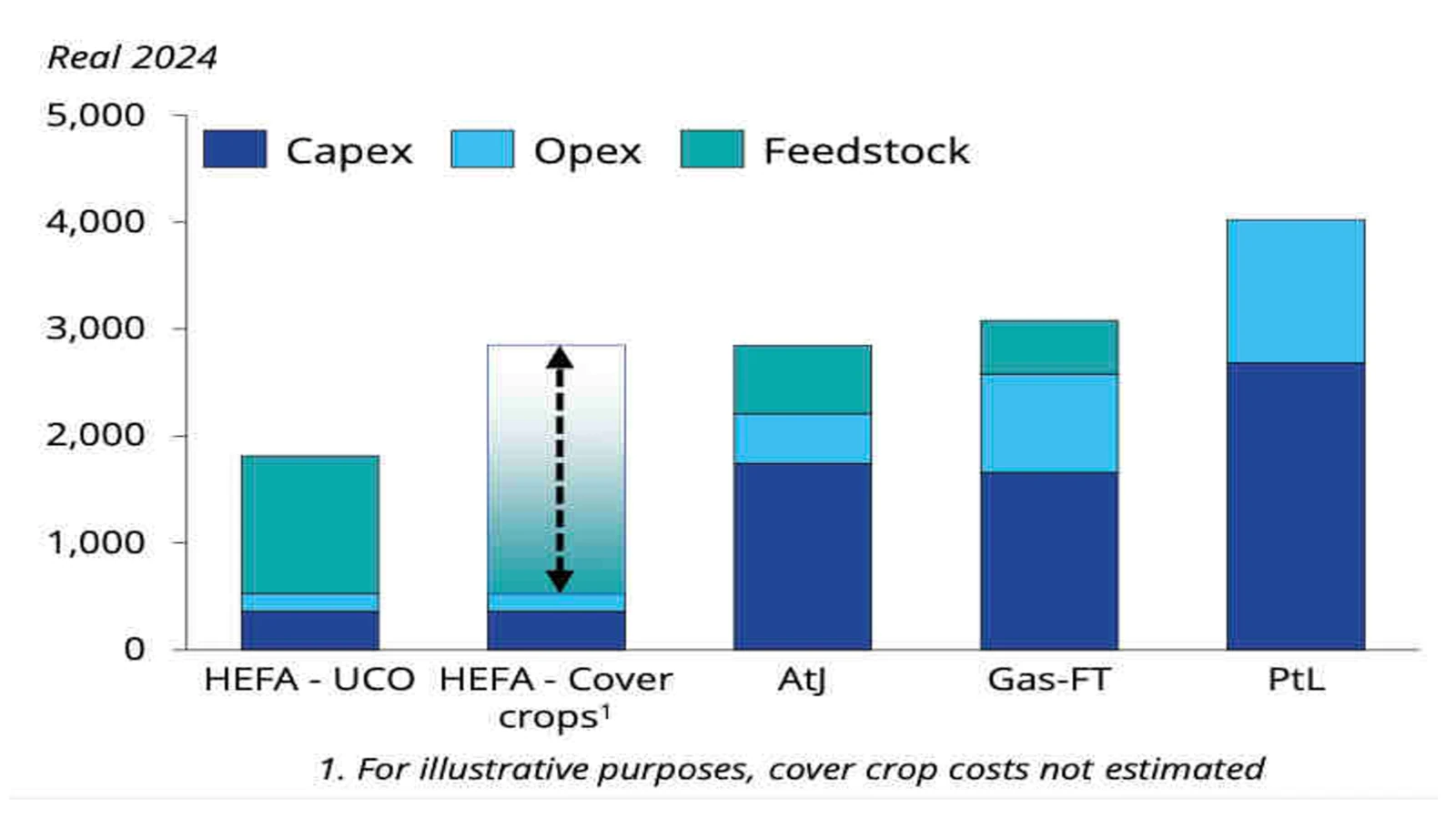
- SAF cost and capacity per technology, 2030
-
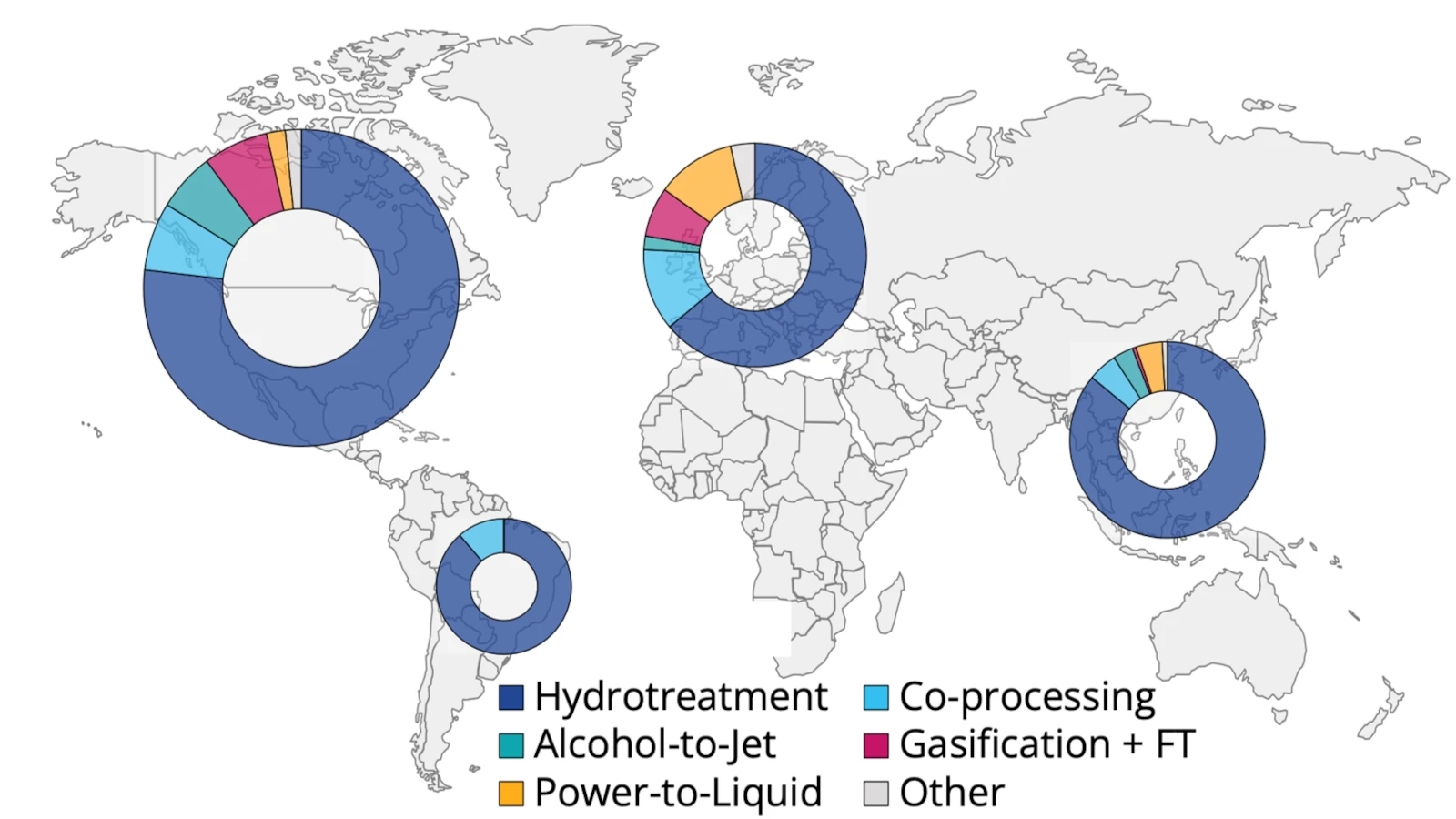
- SAF cost & capacity per technology, 2030 2
-
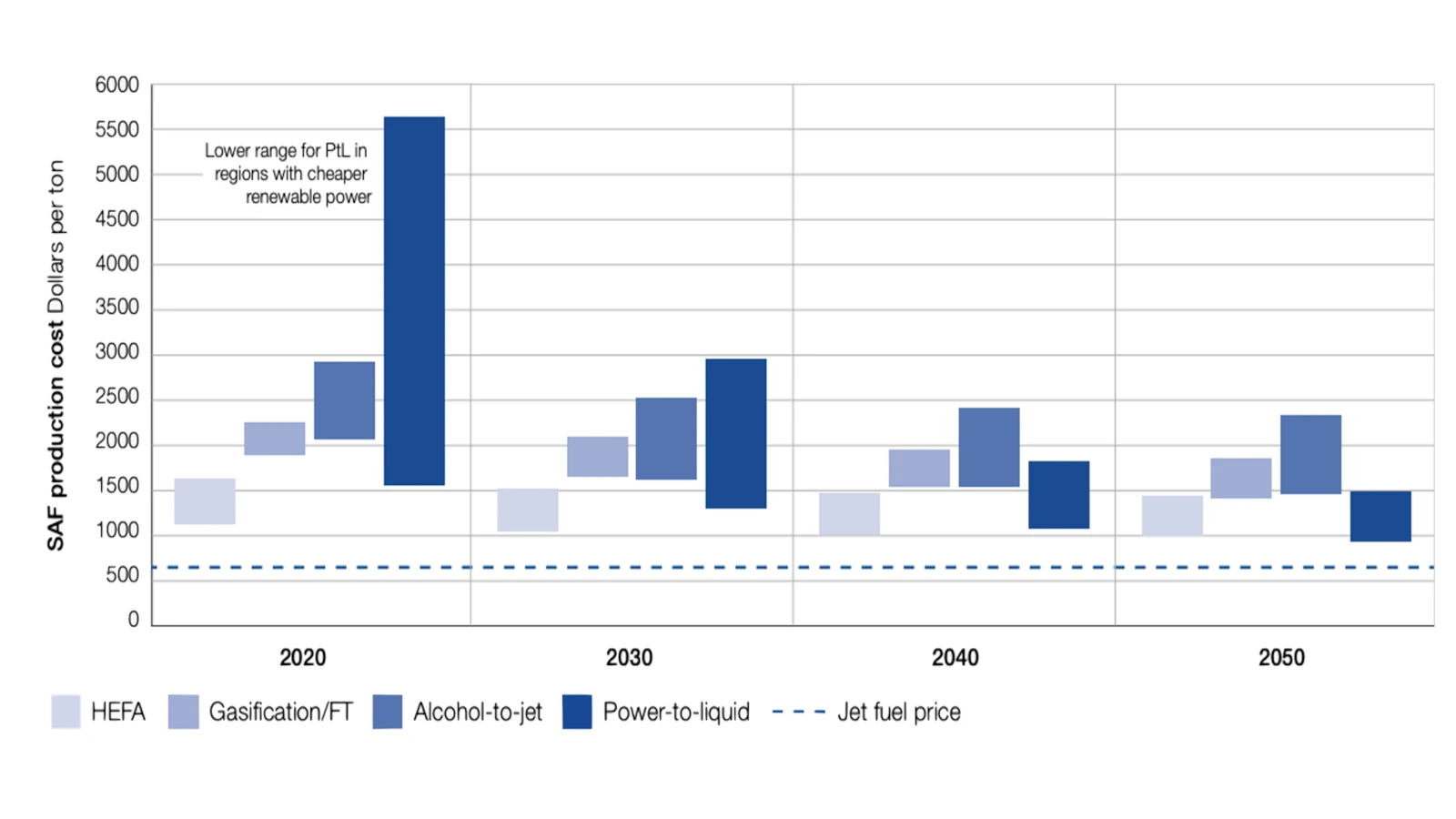
- SAF production costs per technology, now to 2050
Source: Argus Biofuels Analytics, April 2025, World Economic Forum (2020), Clean Skies for Tomorrow: Sustainable Aviation Fuels as a Pathway to Net-Zero Aviation
However, access to feedstock is becoming the key constraint to sustaining and scaling HEFA production as more countries implement export restrictions on used cooking oil and animal fats. With our strategic feedstock partnership, Dragonfly will have the national champion advantage
Feedstock
The tightening of feedstock flows is increasingly evident. Western refiners face a growing supply risk because their HEFA production relies on centralised mega-scale refineries, yet 80% of their feedstock is imported. Producers face mounting price exposure, competing for a shrinking pool increasingly ring-fenced for domestic use. In 2Q25 UCO net exports fell 21%, driven by tightening export restrictions in China (removal of 13% VAT rebate), Indonesia (halt on UCO/POME exports), and the USA (145% tariff on Chinese UCO). Total global feedstock trade fell 13%, with CIF ARA UCO prices rising by 19.5% in one quarter.
Against this background, regional-scale plants backed by perpetual local feedstock supply emerge as the dominant operating model for the industry. To secure our feedstock supply, we have strategically linked our global feedstock partner to an equity share in Dragonfly International Holdings Ltd. This aligns our common interests, enables favourable pricing, and ensures security of supply for Dragonfly’s biorefineries as production scales.
-
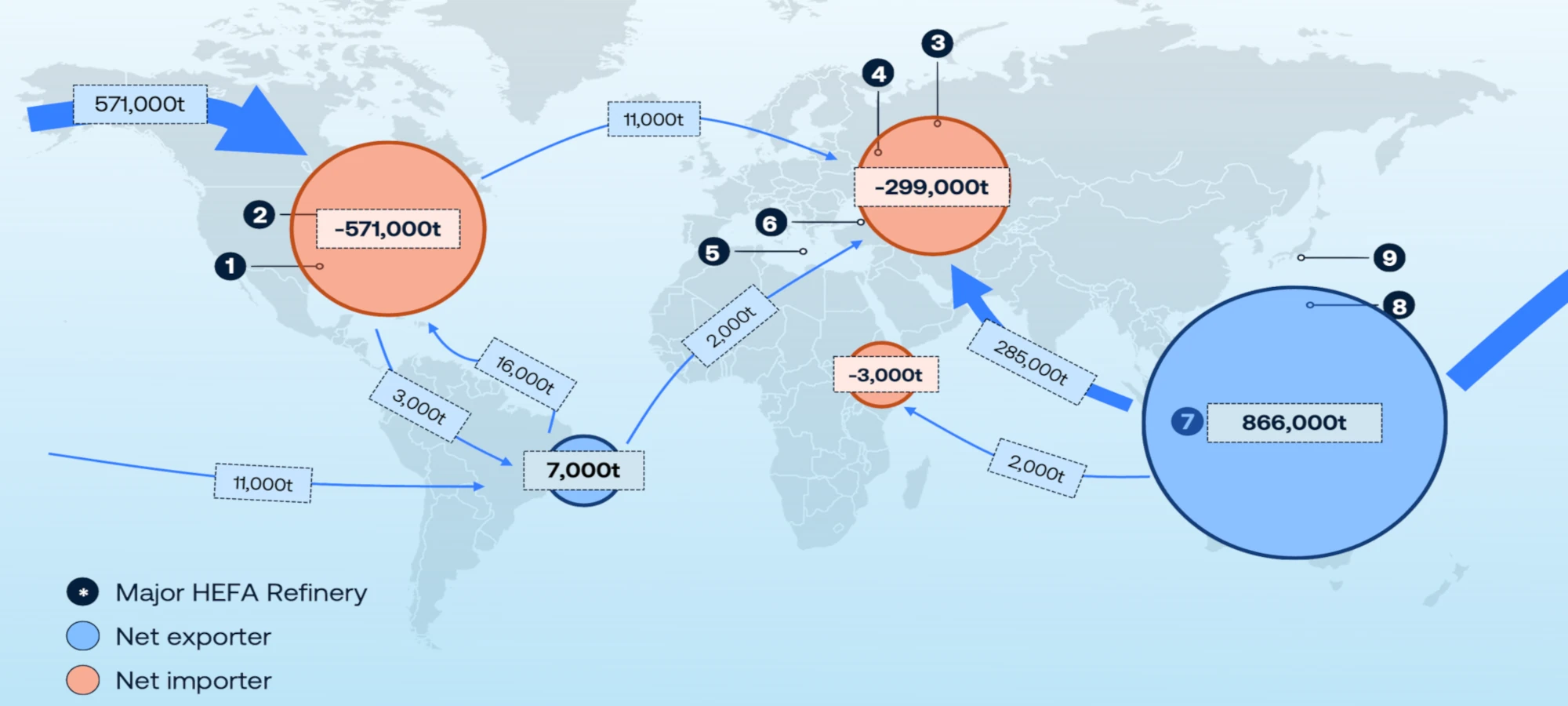
- Feedstock
-
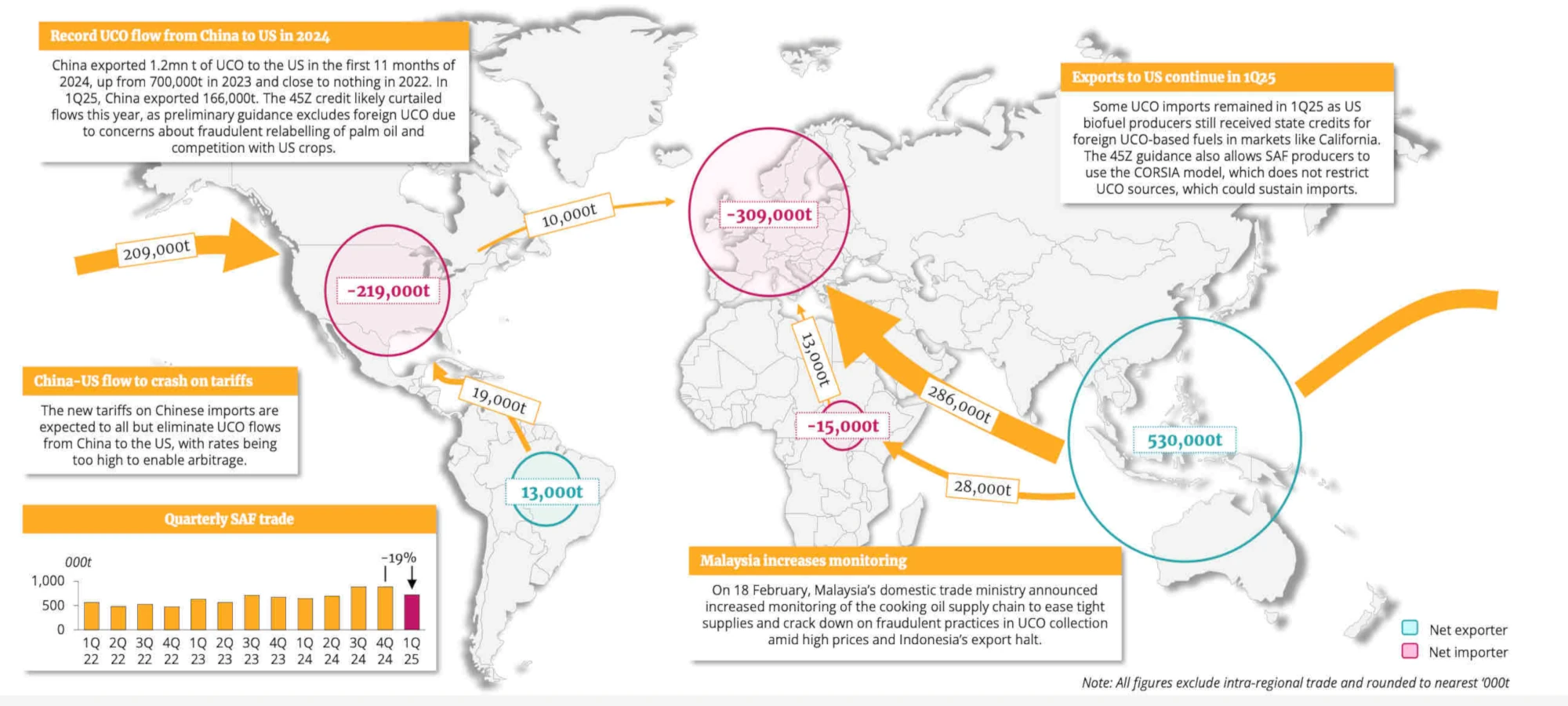
- Structural challenges uco net exports 1q25
-
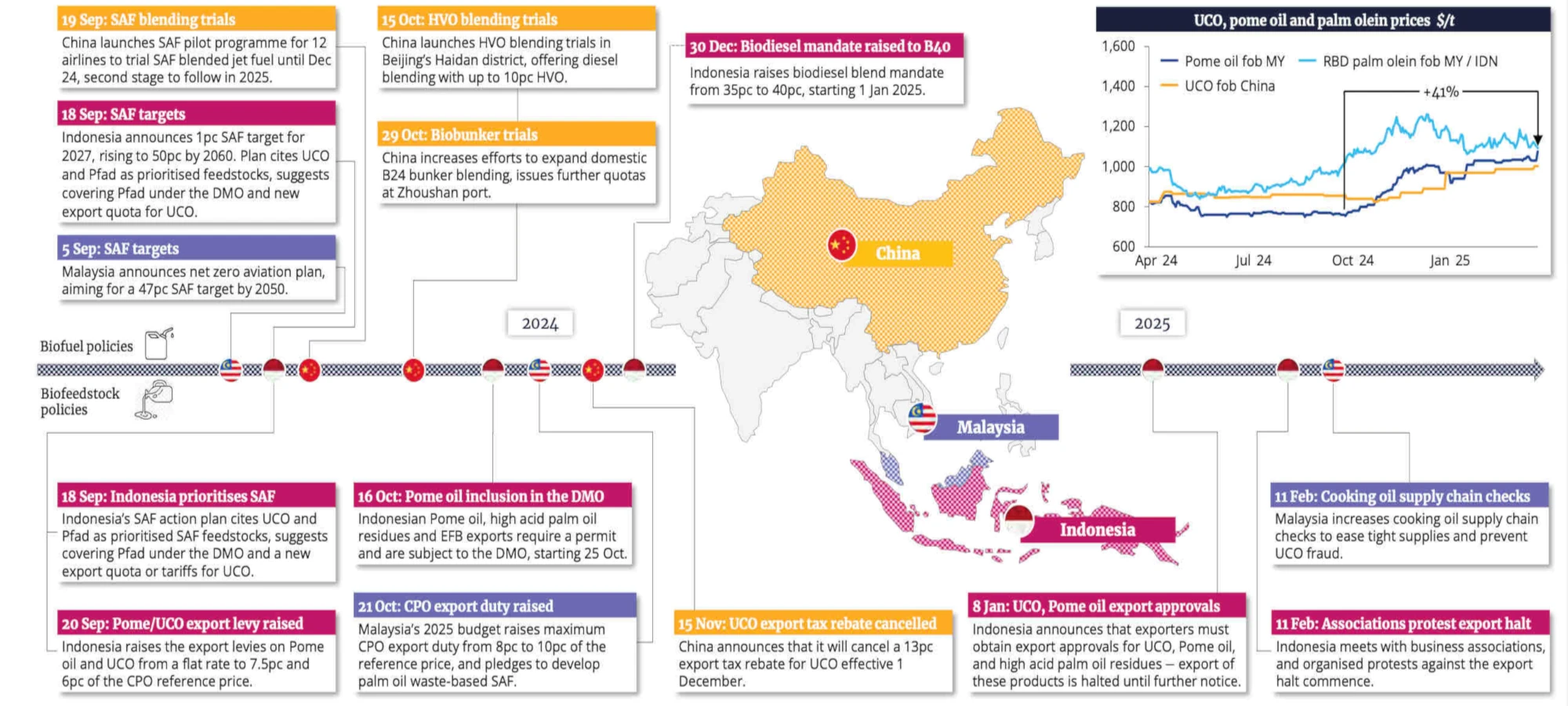
- Structural challenges apac feedstock export restrictions
Source: Argus Consulting Services, July 2025
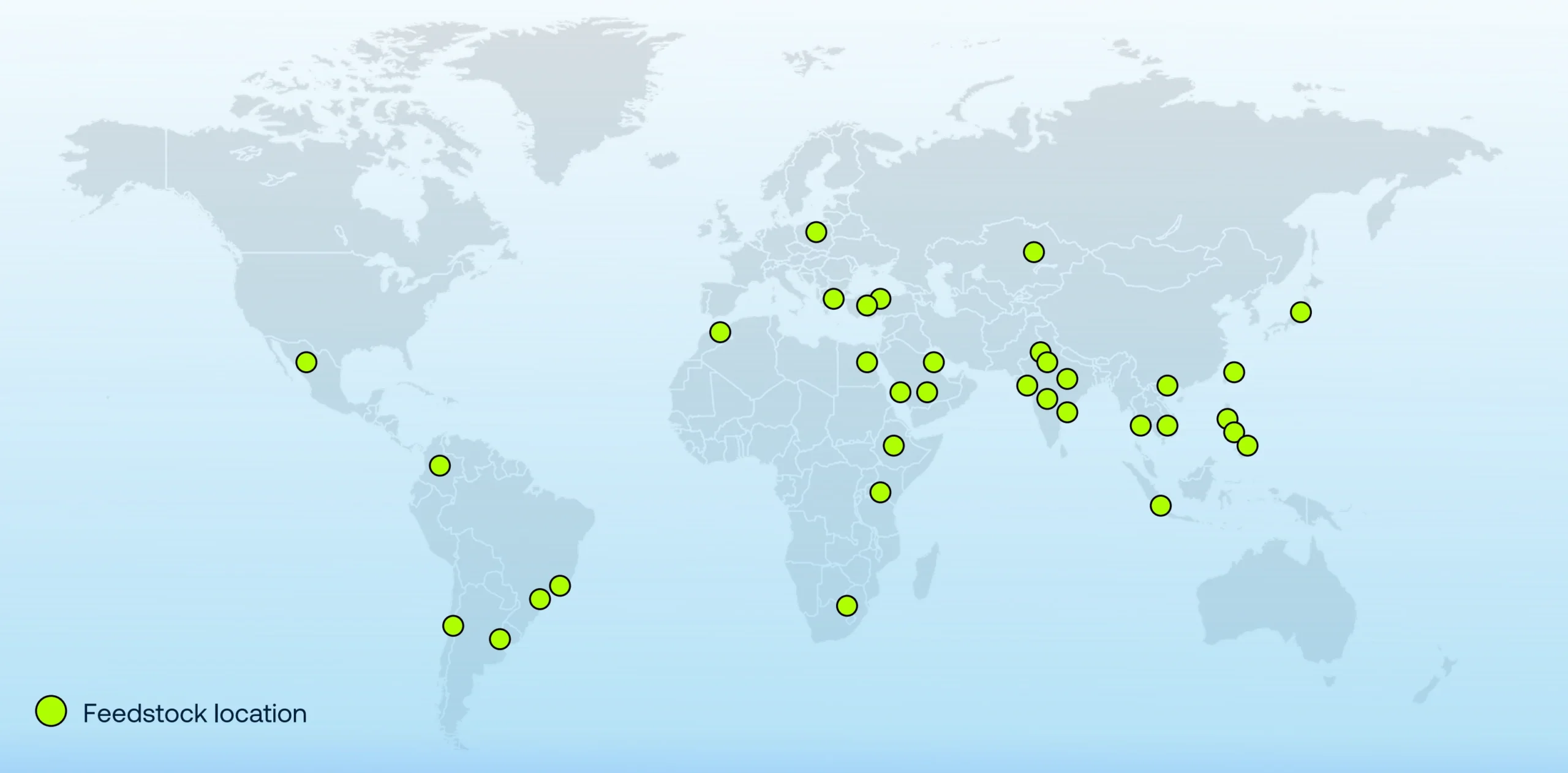
Our partner is a global group operating from 35 locations across Europe, Africa, Asia, and the Americas, and specialising in the production and trading of animal proteins and fats derived from food industry residues. Signed contracts for multiple units provide stable feedstock flows and future partnership opportunities across the continent.
Business model
Reinventing the refinery building business model was necessary because developing a HEFA plant is a minefield of conflicting interests, with suppliers paid for delivery, not performance. The process is beset by delays, dependencies, and cost overruns, from creating a winning strategy, contracting long-term feedstock, and selecting the right technology mix, to lining up fabrication, financing, offtake and EPC.
Project cascading costs and high volume bias are typical. The HEFA supply chain is built for large-scale projects, with vendors incentivised to maximise scope and margin. Small plants usually have the right strategy but EPCs avoid them, licensors overprice them, and consultants treat them like scaled-down mega-projects, forcing them to pursue mega-scale to justify IRR.
Misalignment between delivery and long-term value is common. Project vendors are paid to deliver scope, not outcome, and developers bear the financial and operational risk. Risk and reward are unevenly distributed across the parties required to make the project work, often leaving developers to run an over-engineered, under-performing asset built by parties with no stake in long-term success. Dragonfly’s comprehensive business model is designed to overcome these structural challenges.
Dragonfly
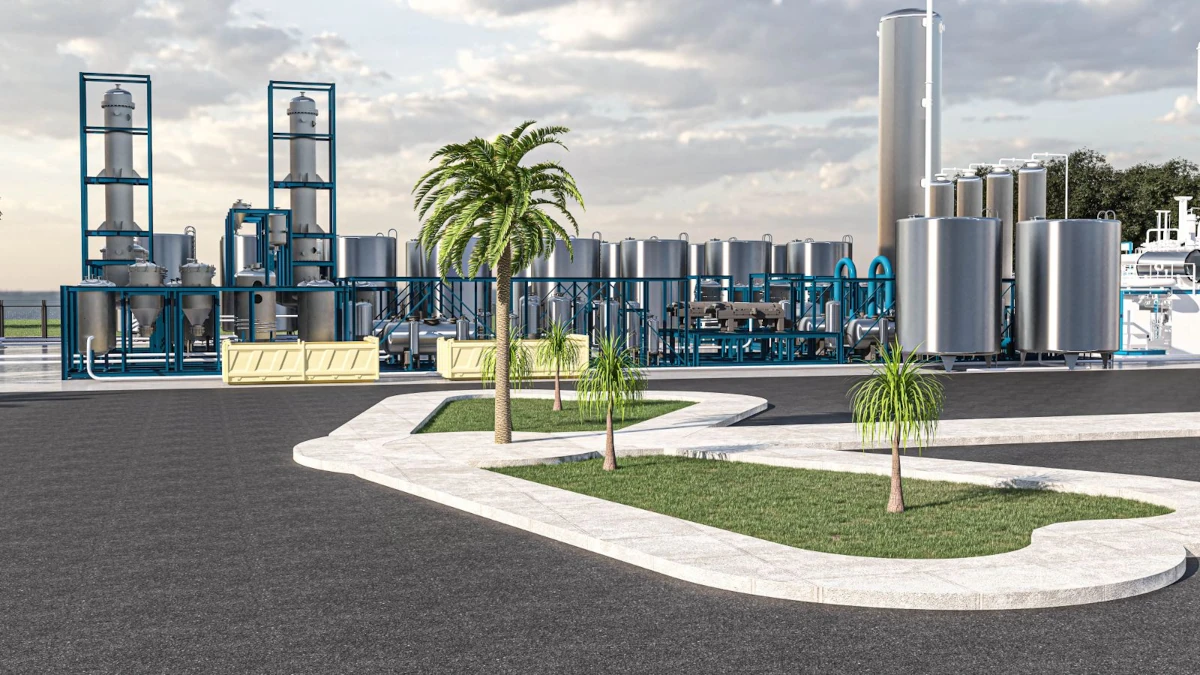
Dragonfly has engineered a modular HEFA refinery model to convert biogenic lipid-based waste into SAF and HVO. Built in standardised 32,000 tonne per year formats via dedicated SPVs, our compact, fast-deploying and infrastructure-light sites co-locate within existing refineries or terminals to create a biofuels stream from local waste.
Every project follows our platform developer model, built on four core pillars:
- Secured feedstock – We hold a 40-year supply agreement across 35 sites, securing input costs and supply for our first phase of refineries through equity-linked contracts.
- Proven technology – Our performance-guaranteed refineries combine proprietary pre-treatment, licensed hydro-processing and in-house equipment fabrication.
- Integrated software – Proprietary software enables compliance onboarding, real-time sustainability analytics and integrated monitoring of refinery operations.
- Equity-linked delivery – We target minority ownership in each project with investment and free-carry equity, minimising upfront Capex and aligning delivery with long-term project success.
-
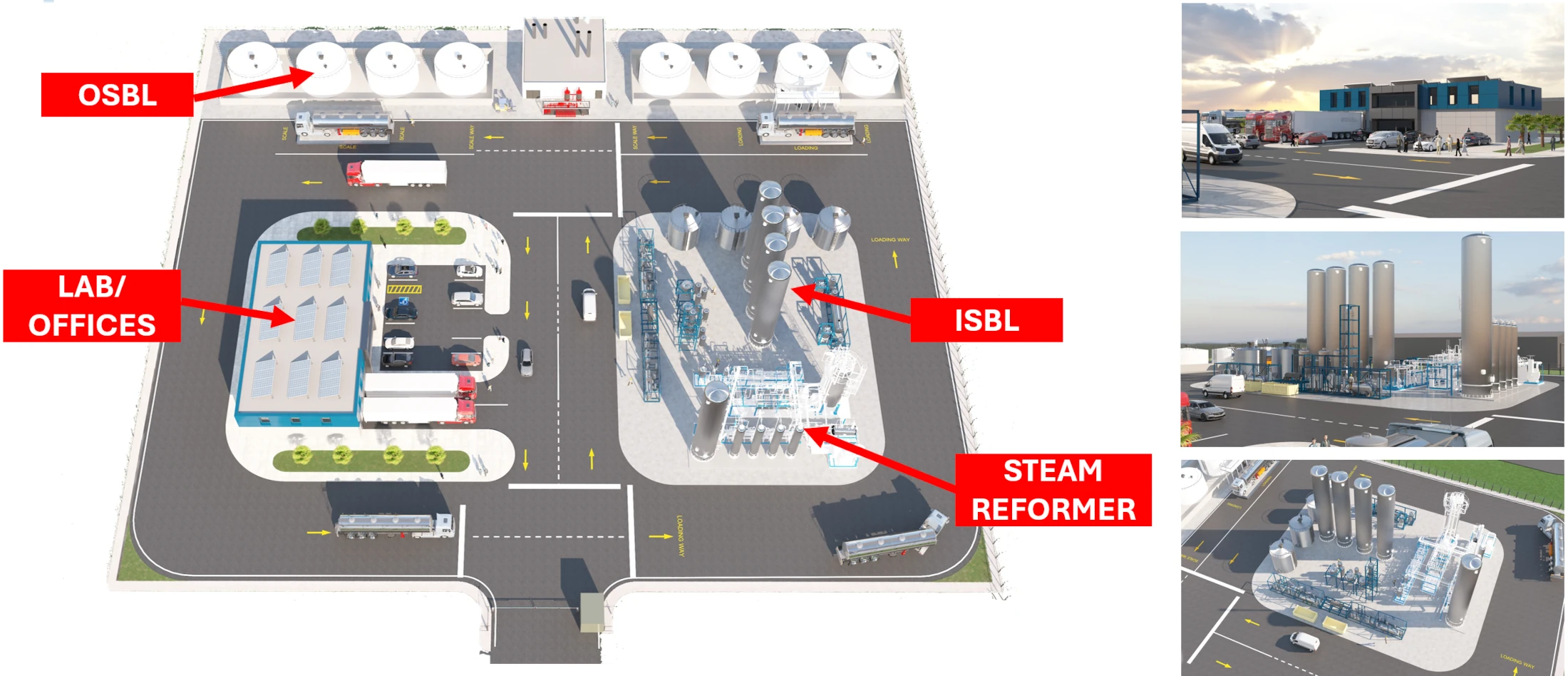
- Dragonfly refinery site example
Global portfolio
As at 1Q26, Dragonfly’s global portfolio featured 10 production units in progress on 8 sites. We have prioritised logistically constrained geographies with limited infrastructure where our modular platform offers maximum strategic advantage. This enables emerging markets to independently produce sustainable fuels.
Partners have been selected based on their long-term alignment, operational role in fuel distribution, and ability to support local implementation. While Dragonfly remains largely in stealth mode, commercial discussions are ongoing with multiple additional prospects beyond the initial pipeline.
Project development
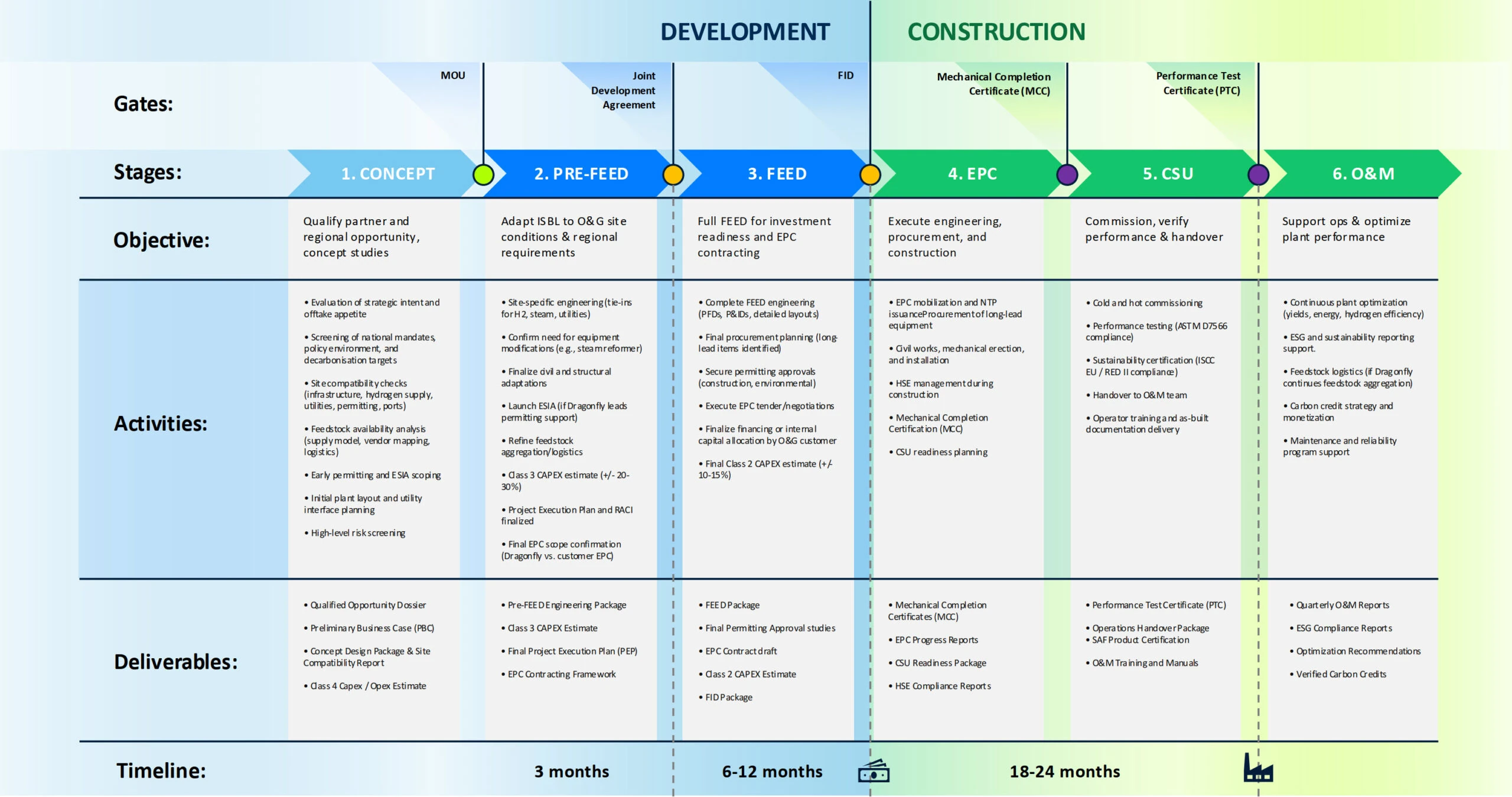
Our project lifecycle is divided into six distinct stages, grouped into development and construction phases. The process ensures that each refinery is de-risked through standardised engineering, capital planning, regulatory compliance and contractual agreement with offtake and feedstock partners.
The development process begins with a structured joint evaluation of each opportunity alongside the prospective industrial anchor. This is typically a fuel supplier, trader, or infrastructure operator that will serve as both offtaker and equity partner. Following initial technical and commercial screening, we secure the partner’s soft commitment through an MOU for pre-FEED, and proceed with co-funded early stage engineering, permitting, and execution planning.
-
- Project development
Once commercial viability and site readiness are confirmed, the parties enter into a joint multimillion Euro FEED stage, designed to reach a definitive FID within 6-12 months. From this point onward, Dragonfly leads the fabrication, erection, and commissioning of the site, targeting commercial operations within 18 months of FID.
Scope of work
Site engineering and process development follow a standardised sequential 5 work package framework. This begins with ISBL in work package 1 and the bill of process for pre-treatment, hydrotreatment, H2 generation, and gas treatment, working closely with strategic partners.
Development then moves to OSBL with work package 2, which is storage and logistics of feedstock, chemical inputs, and both process and utilities consumables; work package 3, which is utilities, from electrical and instrumentation and control systems to piping and water recycling; work package 4 which commences operations from the control room to the lab, and; work package 5 which is concerned with site management.
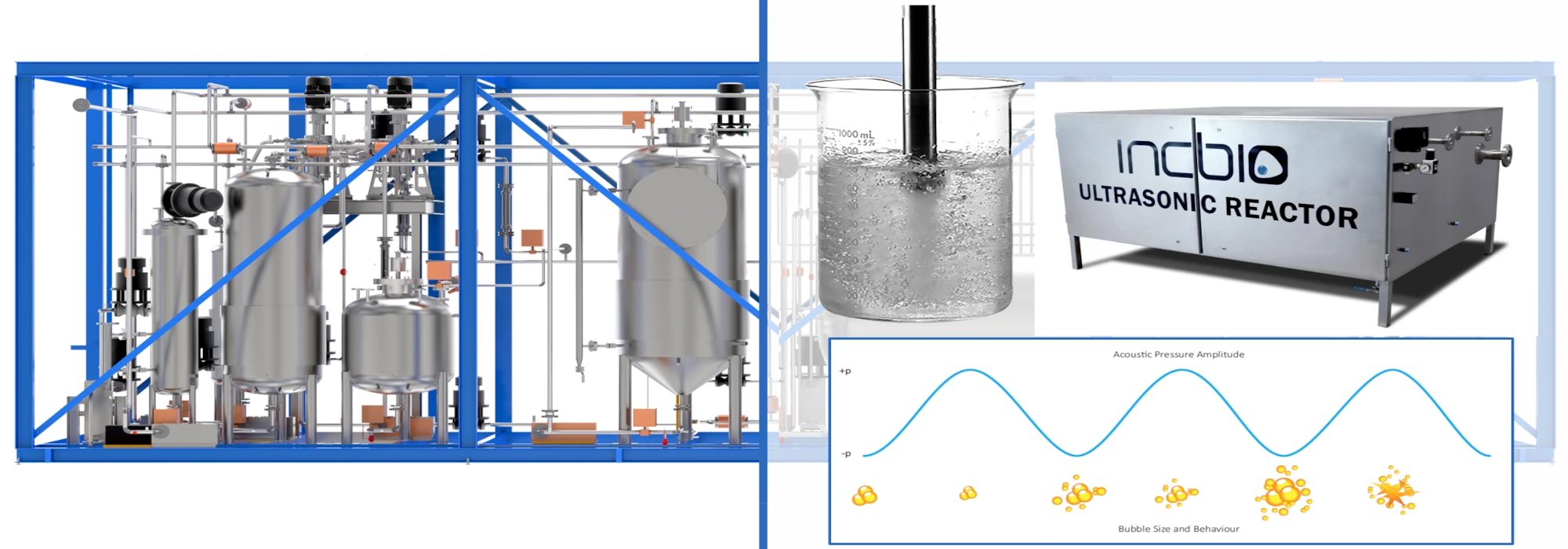
Ultrasonic pre-treatment
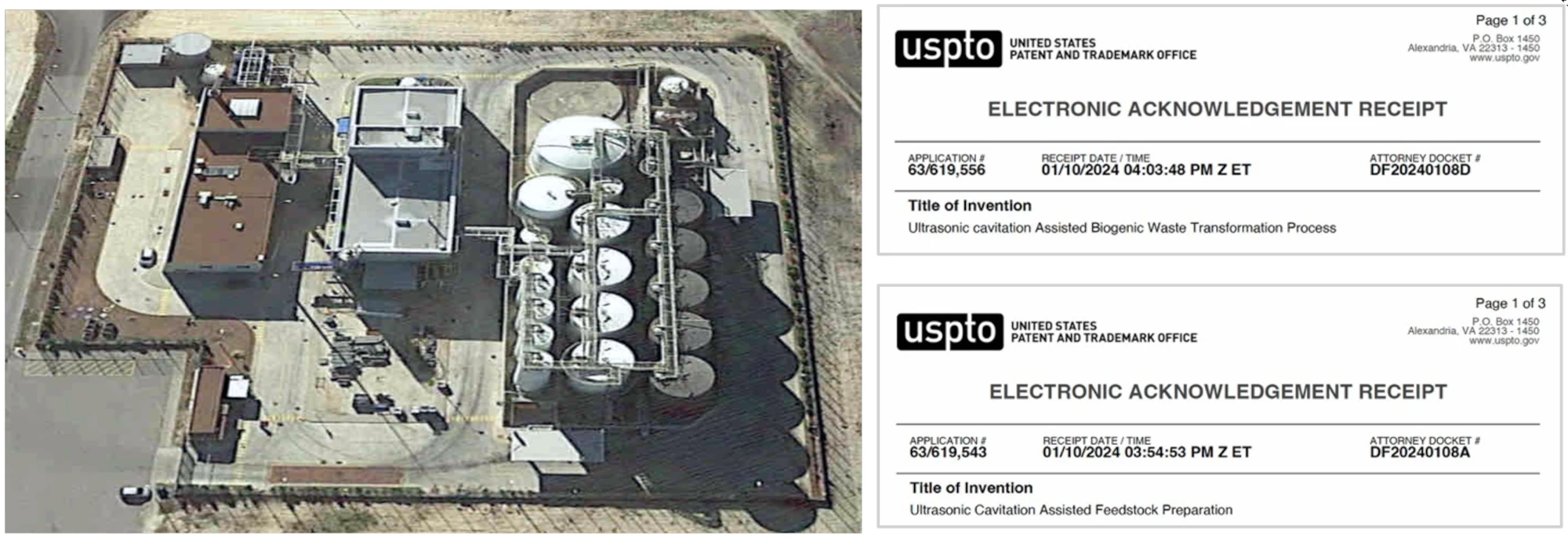
Our ultrasonic pre-treatment system is fully owned by Dragonfly Holdings through an IP transfer agreement to ensure long-term exclusivity and control over a critical part of the value chain. It has been deployed at industrial scale since 2015 at the Galp Refinery in Portugal. With over 10 years of reliable operation, it has consistently delivered high performance in demanding biofuel production environments.
The technology, which is protected by five USPTO patents, is effective across a wider range of feedstocks. It ensures stable processing and consistent quality regardless of feedstock variability. Achieving up to 97% oil recovery, it maximizes feedstock utilization and enhances the overall efficiency and profitability of SAF and renewable diesel production.
-
- Proprietary ultrasonic pre-treatment 1
-
- Proprietary ultrasonic pre-treatment 2
Among its technology advantages, the system provides enhanced removal of phospholipids, including non-hydratable phospholipids (NHPs), reduces chemical usage, improves centrifugation efficiency, and enables faster processing with higher energy efficiency. The result is cleaner, more sustainable pre-treatment.
Dragonfly’s operations are underpinned by DragonSoft, in-house developed software that streamlines certification and reporting, embeds blockchain-based supply chain traceability, and integrates DragonAI for real-time sustainability reporting and per batch Life Cycle Assessment.
Using AI analytics & predictive optimisation, DragonSoft leverages a high-tech stack to resolve significant industry problems in compliance and carbon accounting. With supply node onboarding and compliance management, it digitises onboarding and certification, replacing manual audits and spreadsheets with frictionless drag-and-drop supply chain management. API-level integrations with RSB, ISCC, and other compliance bodies enables auto-population of verified partner networks, ensuring every product batch is traceable and audit-ready from the outset.
Tamperproof chain of custody and proof of sustainability is possible because every litre of product transfer is logged on our blockchain, creating an immutable chain of custody from waste origin to fuel delivery. Batch-level mass-balance accounting and intelligent data aggregation enable instant Proof of Sustainability certificate issuance, providing transparent, tamperproof records at every stage.
The primary difficulty in validating supply chains is the complexity of capturing the data and a reliance on outdated random audit sampling procedures. Our drag-and-drop supply chain modelling enables zero friction onboarding: automated API-based integrations with global compliance bodies seamlessly populate verified upstream and downstream partner networks.
Building on two decades of carbon calculations, DragonSoft moves from annual reporting to real time per batch, allowing for the additional monetisation of Dragonfly’s best in class refining efficiency. DragonAI is trained on global standards reporting methodologies, capturing actual emissions data, converting efficiency to value in real time.
Feedstock
As discussed in Structural Challenges, biofuel refiners face a growing risk of feedstock unavailability as traditional suppliers increasingly ring-fence their feedstock for domestic use. Dragonfly has secured a feedstock supply with a comprehensive agreement for 40 years, which can be supplied from 35 locations. This is sufficient for our phase 1 refineries. Our global feedstock partner is linked through an equity share in Dragonfly International Holdings Ltd. This aligns our common interests, enables favourable pricing, and ensures security of supply for Dragonfly’s biorefineries as production scales.
Access is further secured through vertical integration: ongoing investments in slaughterhouse waste treatment units across underserved regions, particularly in Africa, secure additional long-term raw material supply. Signed contracts for multiple units provide stable feedstock flows and future partnership opportunities.
-
- Feedstock partner supply locations
Fabrication
We manufacture and test all our equipment modules centrally in our 15k sqm engineering and production facility in Porto, Portugal. Our 32,000 tonnes per year standard refinery comprises of 24 container sized modules packaged in skids. Our modular refinery design compresses shipping and erection to 3 months, enabling non-specialised EPCs, significantly reducing overall construction costs.
Our ISBL modules are fabricated in-house on skids, enabling scalability through repeatable assembly and testing. This allows for repeatable manufacturing, tight quality control and faster project delivery, enabling multiple projects to be executed in parallel, reducing lead times and improving cost efficiency.
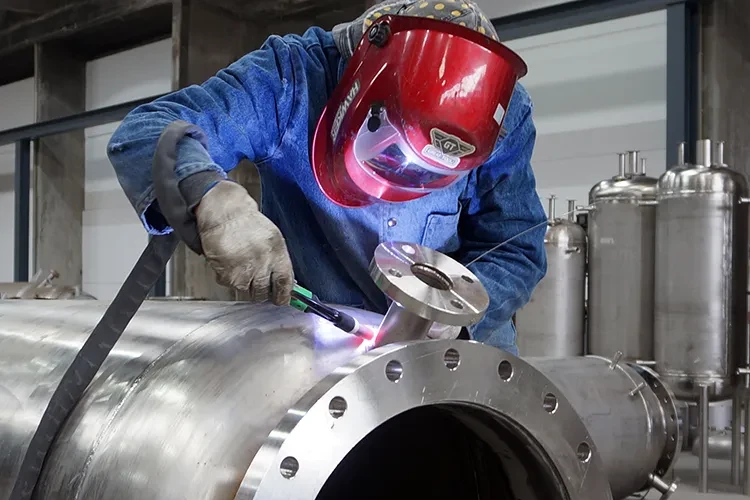
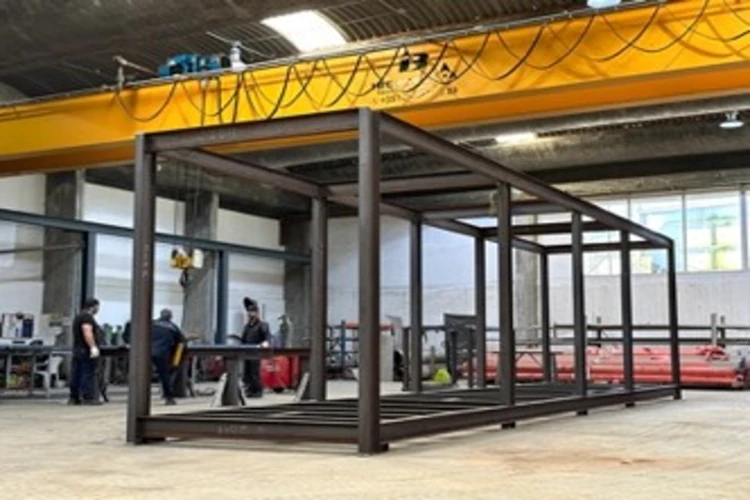
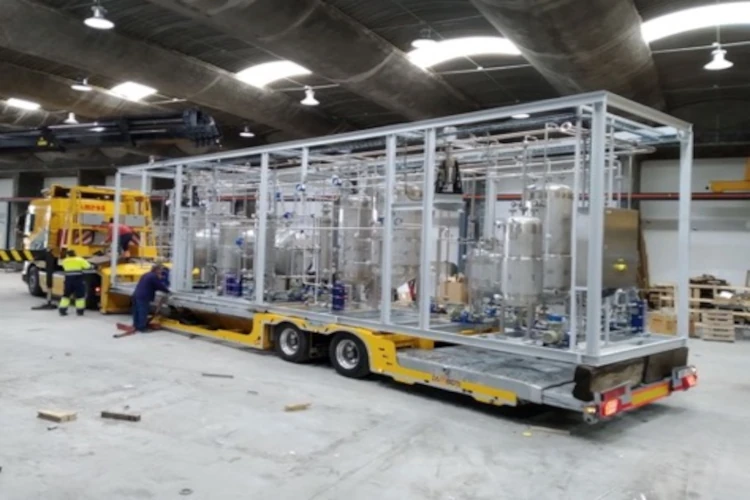
All wet components are fabricated from AISI 304, 316L, or Duplex Stainless Steel, ensuring optimal corrosion resistance. Key equipment, catalysts, and sub-components are sourced from leading manufacturers, delivering consistent performance and reducing technology and operational risk.
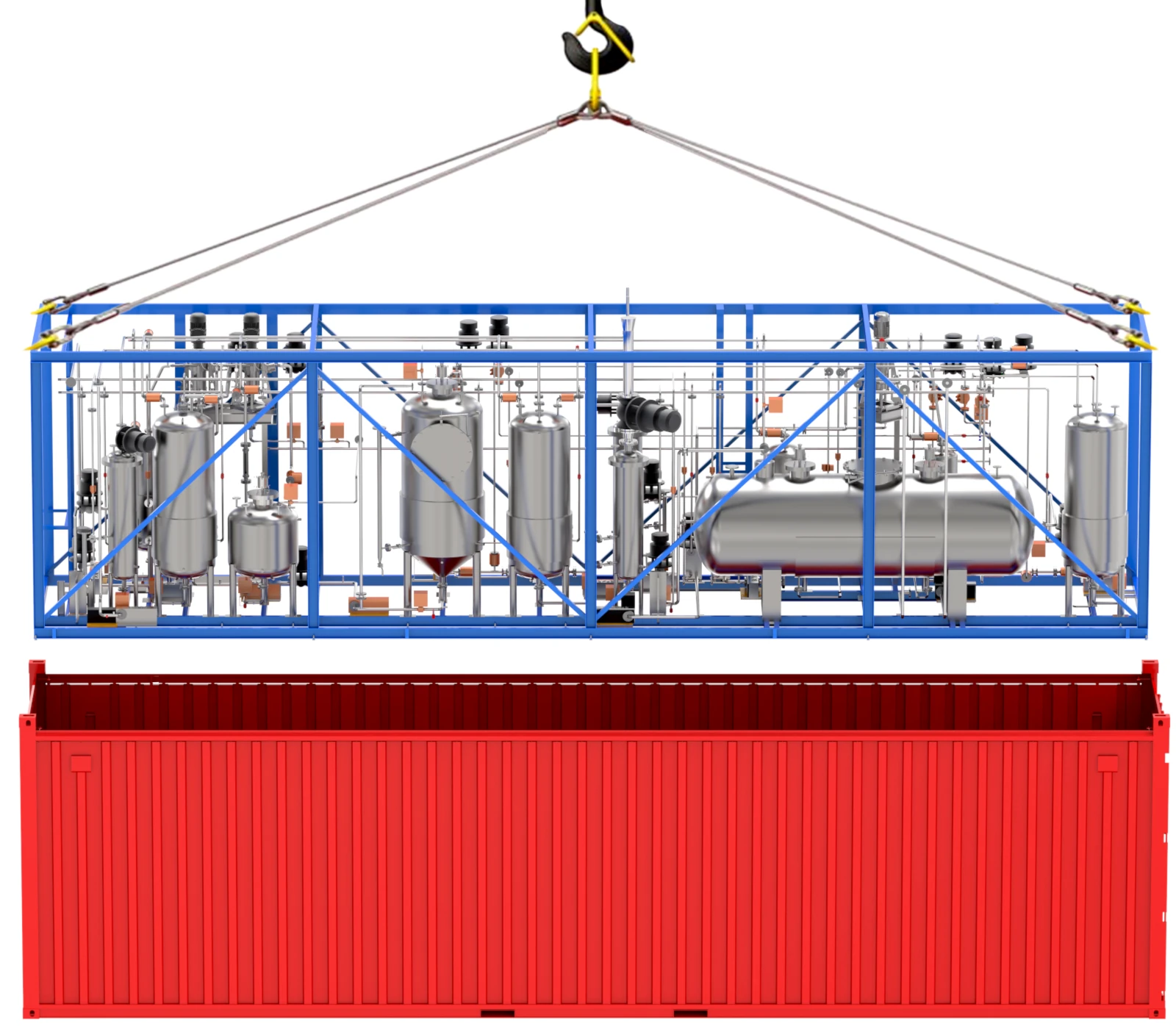
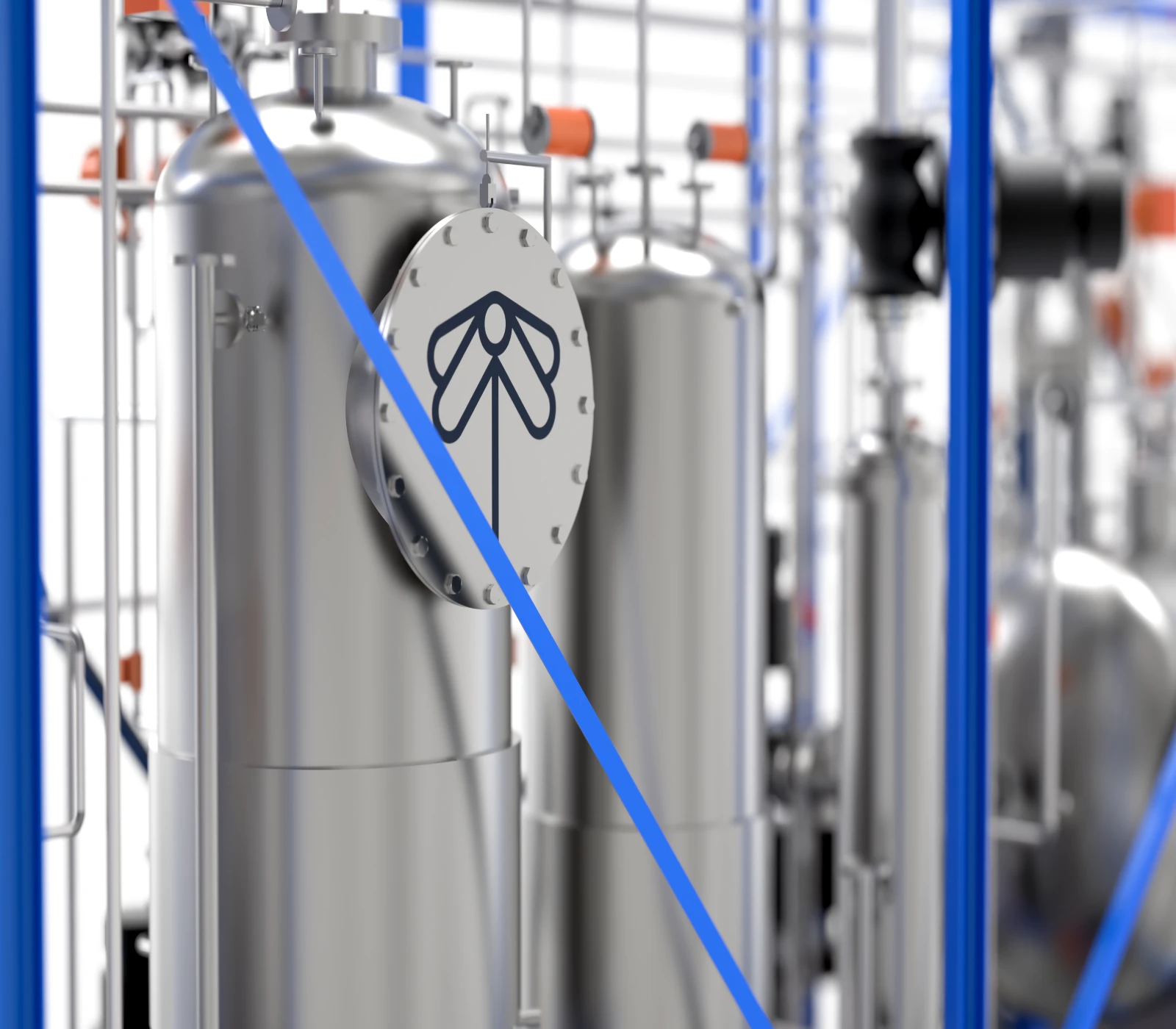
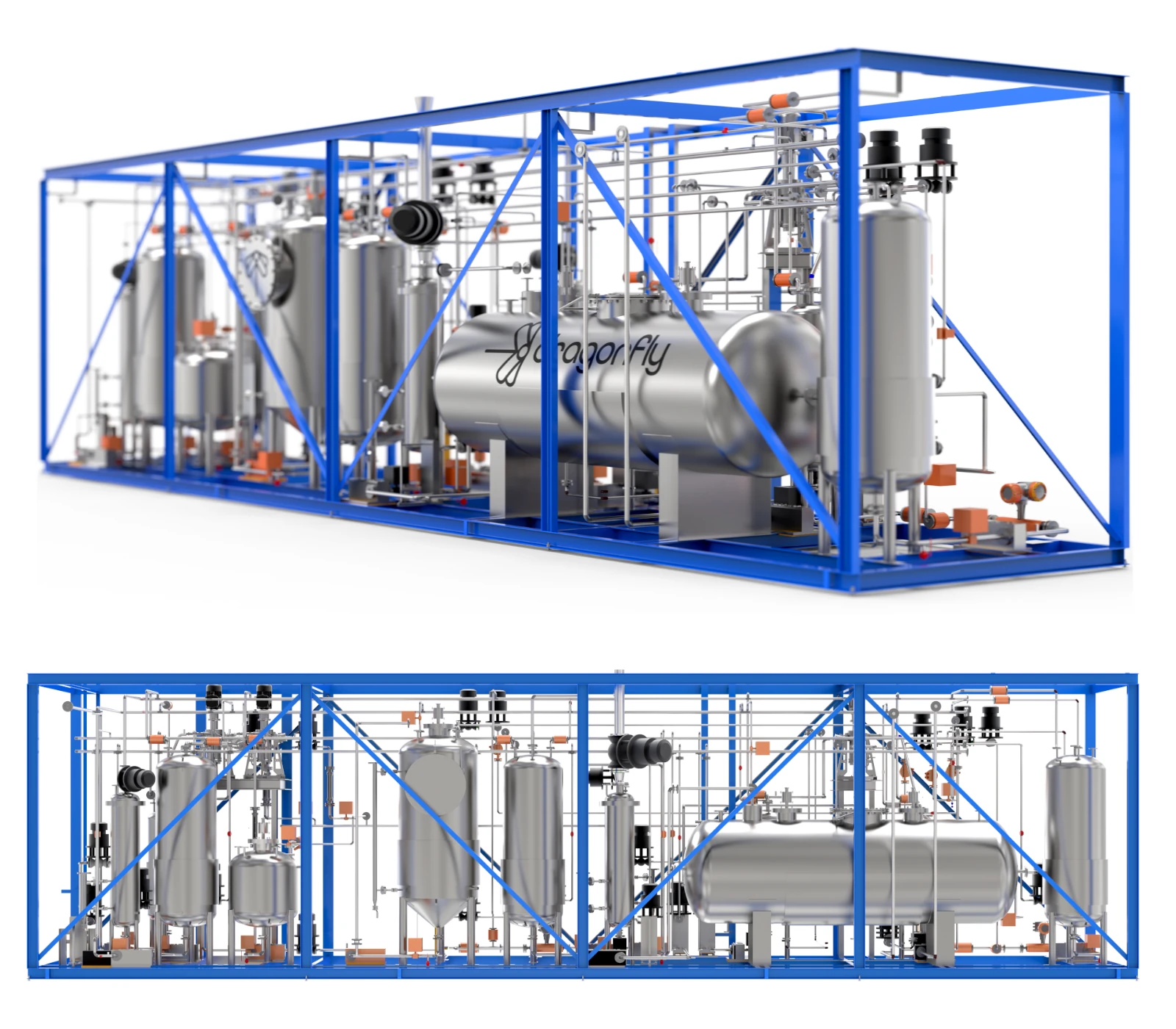
Each module undergoes comprehensive factory acceptance testing (FAT) prior to shipment to ensure every unit meets strict quality standards and is ready for immediate on-site installation and operation. Modular equipment trains are standardised across multiple sites, simplifying JIT maintenance by holding spare modules centrally. Faulty units or sub-assemblies can be swapped out quickly, minimising downtime, reducing inventory requirements and keeping maintenance Capex low.
EPC: insurance wrapper
In addition to yield and performance warranties, Dragonfly provides financing confidence and delivery certainty through to EPC with an insurance wrapper underwritten by Lloyd’s of London that offers a full EPC warranty with long-dated, non-cancellable cover against faulty design, engineering or materials. Policies run up to 15 years with limits of USD 200M per risk, available at portfolio but also on specific project level.
Start-up repair and commissioning protection is provided by commissioning insurance which provides a smooth bridge from build to steady-state operation, paying repair costs to meet target outputs and absorbing commissioning risks. Triggers de-risk technology performance failure, ensuring continuity from construction through COD, with exclusions such as nat-cat remaining within annual policies.
By transferring technology risk into a rated insurance covenant, we unlock lower WACC and reduce reliance on OEM supplier warranties, strengthen delivery assurance, safeguard against OEM risks and standardise coverage across projects, giving investors and lenders bankable protection.